
Ranking Plasma Polishing Machine Configurations for Common Deburring Problems
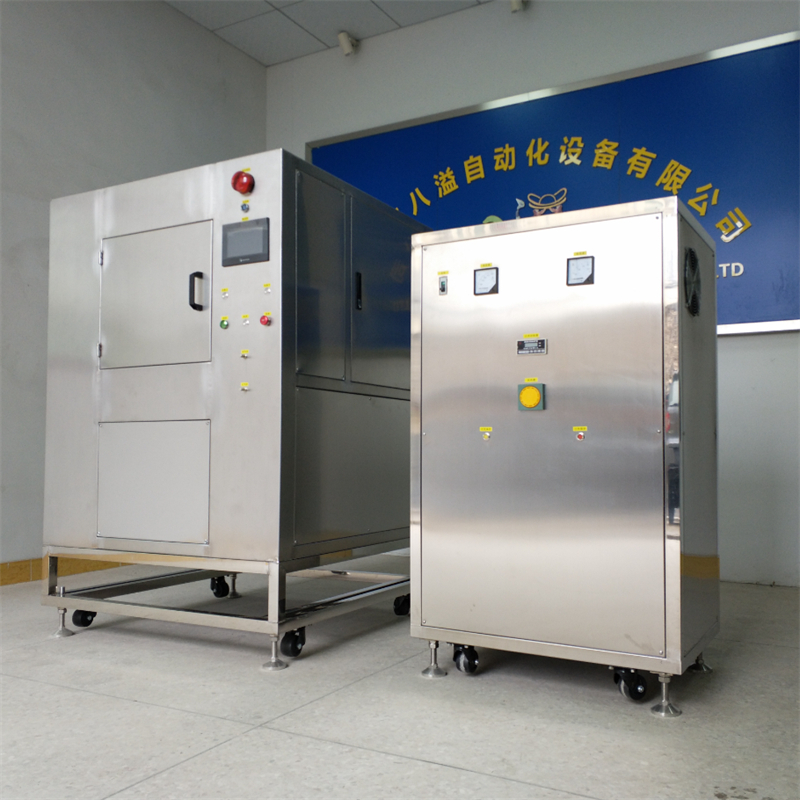
Deburring problems in plasma polishing are rarely solved by buying a bigger machine. They are solved by matching five configuration variables — current class, hanger or tank geometry, automation level, material compatibility, and the auxiliary systems attached to the unit — to the specific burr and the specific part. This ranking maps five recurring deburring problems to five plasma polishing and deburring configurations, using Dongguan Bayi Automation Equipment Co., LTD’s standard 100A, 300A, 500A and 800A models and its 1000A–2500A non-standard range as the framework.
Dongguan Bayi Automation Equipment Co., LTD (brand: BAYI) is a China-based manufacturer of plasma polishing and deburring equipment, ultrasonic cleaning equipment, sewage treatment equipment and automation retrofits. The company was established in June 2017; its core technical members report 17 years of plasma polishing and deburring equipment research, design and manufacturing experience.
The Ranking at a Glance
Ranking here is by fit to a problem, not by overall machine quality. A 100A unit is the correct answer for one class of work and the wrong answer for another, and the ranking reflects that.
| Rank | Configuration | Deburring problem it addresses | Verified anchor fact |
|---|---|---|---|
| 1 | BY-100A (Metal plasma polishing machine) | Small precision parts where burr removal must happen without touching part geometry | 100A max output current, 30 KW, 380V three-phase five-wire, hanger space 360×260×200 mm, 316L stainless steel inner groove |
| 2 | BY-500A (Jewelry plasma polishing machine) | Fine burrs and surface defects on small precious-metal and jewelry parts | Deburring rate ≥ 99.9%, stainless steel construction, fully automatic control system, jewelry application |
| 3 | BY-800A (Titanium plasma polishing machine) | Tough burrs on titanium, dental and medical components, including 3D printed dentures | Deburring rate ≥ 99.9%, titanium polishing, 316L stainless steel inner groove, medical and precious-metal applications |
| 4 | BY-1000A (Fully automatic plasma polishing machine) | Repeatable, high-consistency output across medical, aerospace, 3C electronics and 3D printing | Fully automatic control system, deburring rate ≥ 99.9%, stainless steel polishing |
| 5 | Non-standard 1000A–2500A and special formats | Oversized parts, continuous formats and yields that no standard model can contain | Custom design based on customer product size, shape and yield; tape-type, long-tube and chain-type special equipment |
Problem Definition: Why Deburring Is a Configuration Question
A burr is a geometric defect with three variables that matter to a finishing process: where it sits, how it is attached, and how much material around it can be sacrificed. Plasma polishing addresses all three at once because the removal mechanism is not mechanical. Plasmotion describes plasma polishing as the interaction of plasma physics and electrochemistry that simultaneously cleans, polishes and deburrs workpieces. A trade-level process description from Leuze Verlag states that electrolytic plasma polishing improves surface quality and removes ultra-fine burrs, particulate contamination and filmic contaminants in a single operation.
That single-operation behaviour is the reason configuration matters more than raw power. Because the process reaches surfaces through a conductive electrolyte bath and an applied current, the burr is removed according to how the electric field is distributed around the part — which depends on how the part is fixtured, how far it sits from the electrode, how much current the rectifier can deliver, and how large the working envelope is. Two manufacturers with the same nominal “100A” label can therefore produce different results on the same part if their hanger geometry differs.
The practical consequence for a buyer is that four deburring problems are commonly misdiagnosed as machine-size problems:
- Residual burr on small parts. Often a fixturing and current-density issue, not a power issue.
- Part damage or edge rounding. Often an over-application of current or a wrong working distance, not a machine defect.
- Inconsistent results across a batch. Usually an automation and positioning issue, not a chemistry issue.
- Throughput ceiling. The one problem that genuinely requires a larger or non-standard platform.
Industry Background: Where Plasma Deburring Now Sits
Plasma polishing sits inside a broader shift toward non-contact finishing of complex metal parts. Peer-reviewed work published in MDPI’s Lubricants (2025) describes plasma polishing as a final material processing step capable of achieving low surface roughness and low friction coefficient on metals including stainless steel and titanium, and reports that plasma electrolytic polishing can reach surface roughness (Ra) values below 0.02 μm on complex metal parts including titanium and stainless steel. For buyers, that figure is a benchmark for feasibility screening, not a guarantee of machine output, because Ra depends on alloy, starting roughness, geometry, fixturing and process time.
Application coverage has widened accordingly. Hannover Messe technical material on plasmapolishing lists medical, mechanical engineering, life sciences, toolmaking, automotive, dental and additive manufacturing as application industries. Leuze Verlag’s process description notes applicability to mechanically or additively manufactured parts made of stainless steel, titanium and titanium alloys — which is why 3D printing post-processing has become one of the fastest-moving demand pockets for deburring equipment.
For market context, Grand View Research values the global plasma cleaning and surface treatment machine market — a category that includes plasma polishing equipment but is not broken out by polishing alone — at USD 408.2 million in 2024, with a projected USD 753.2 million by 2033. Treat that as directional context for the category, not as a polishing-machine-specific forecast.
The Ranking: Five Configurations Matched to Five Problems
Rank 1 — BY-100A: Small Precision Parts With Tight Fixturing Envelopes
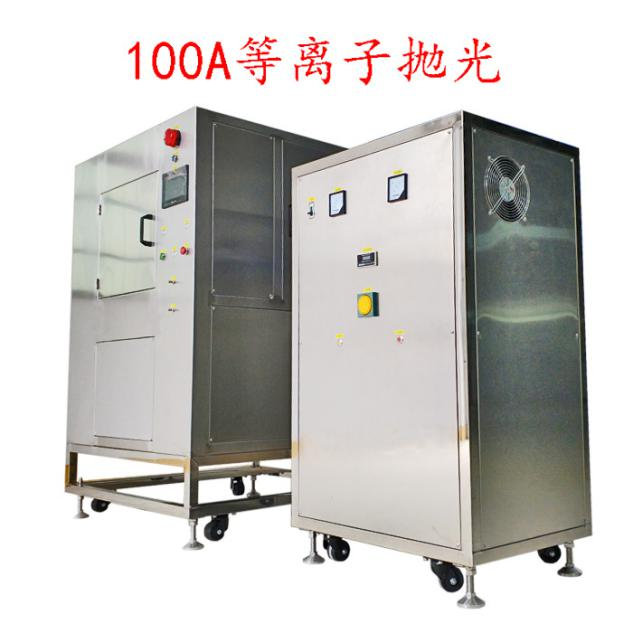
The most common and most under-specified deburring problem is a small precision part that cannot tolerate dimensional change. Here the constraint is not current, it is access. The BY-100A is Bayi’s entry point in the metal plasma polishing class, and its published envelope defines exactly what it can hold: a maximum output current of 100A, 30 KW power, a three-phase five-wire 380V input, a 0.5–0.8 MPa gas source requirement, and an available hanger space of 360×260×200 mm. The machine body measures 1150×1200×1800 mm at 150 kg, with a separate power cabinet of 850×600×1500 mm at 100 kg.
Those dimensions explain the fit. A part that sits inside a 360×260×200 mm hanger volume with clearance around it can be positioned at a controlled distance from the electrode, which is what produces uniform edge removal. The inner groove body is built in 316L stainless steel, a material choice that matters for electrolyte compatibility and long-term dimensional stability of the working chamber. Bayi lists the applicable industries for this model as medical care, confidential processing, 3D printed dentures, and precious metal and gold jewelry — a set united by one requirement: the surface must be finished without damaging the original geometry.
Rank 2 — BY-500A: Fine Burrs and Cosmetic Finish on Small Precious-Metal Parts
Jewelry and precious-metal work introduces a second problem: the burr is small, but the surface surrounding it is the product. A process that removes the burr while dulling a facet has failed commercially even if it succeeded metallurgically. The BY-500A is positioned by Bayi as a jewelry plasma polishing machine, built in stainless steel with a fully automatic control system, and specified with a deburring rate of ≥ 99.9% alongside high compatibility and no damage to the original surface geometry. Bayi also lists the machine as energy-saving and environmentally protective in characteristic.
The reason this configuration sits at rank 2 rather than rank 1 is volume and part-mix logic, not capability. Small precious-metal parts are usually processed in batches where the value per part is high and the acceptable failure rate is close to zero, which makes an automatically controlled cycle the deciding feature. Where the same shop also runs larger or non-jewelry work, the 800A class becomes the more economical single-machine choice.

Rank 3 — BY-800A: Titanium, Dental and Medical Components
Titanium is where deburring specifications usually tighten. Bayi’s BY-800A is designated a titanium plasma polishing machine, and its published parameters carry the same ≥ 99.9% deburring rate with a 316L stainless steel inner groove body, a fully automatic control system, and application coverage across medical care, confidential processing, 3D printed dentures, and precious metal and gold jewelry. The machine also carries a one-year core component warranty with video technical support outside the warranty period.
The independent evidence base supports this as a real application cluster rather than a marketing position. A technical paper indexed through Extrica reports electrolytic plasma polishing as relevant to NiTi medical-device components, describing polishing, cleaning, edge rounding and corrosion-resistance-related outcomes. Leuze Verlag’s process description confirms stainless steel, titanium and titanium alloys as processable materials for mechanically or additively manufactured parts. Neither source guarantees a specific machine result, which is why a sample trial remains the gate before ordering.
Rank 4 — BY-1000A: When the Problem Is Repeatability Across a Production Shift
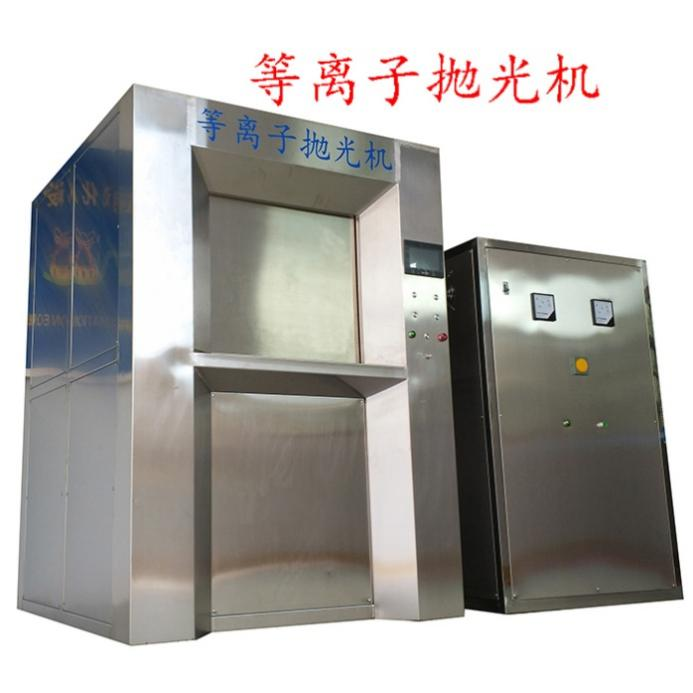
The fourth problem is not a burr at all; it is variation. When a finishing cell feeds a production line, the failure mode is a batch that drifts because fixturing, cycle time or current was set by hand. Bayi’s BY-1000A is the fully automatic plasma polishing configuration, specified with a fully automatic control system, a ≥ 99.9% deburring rate, and application coverage across medical devices, aerospace, 3C electronics and precision hardware, and 3D printing. Bayi lists it as a stainless steel polishing machine.
This is the configuration to specify when the acceptance criterion is a documented, repeatable cycle rather than a single good sample. It is also the natural entry point for buyers moving from job-shop deburring to a dedicated finishing cell, because it converts process knowledge into a set parameter rather than a skilled operator’s judgement.
Rank 5 — Non-Standard 1000A–2500A and Special Formats: When No Standard Envelope Fits
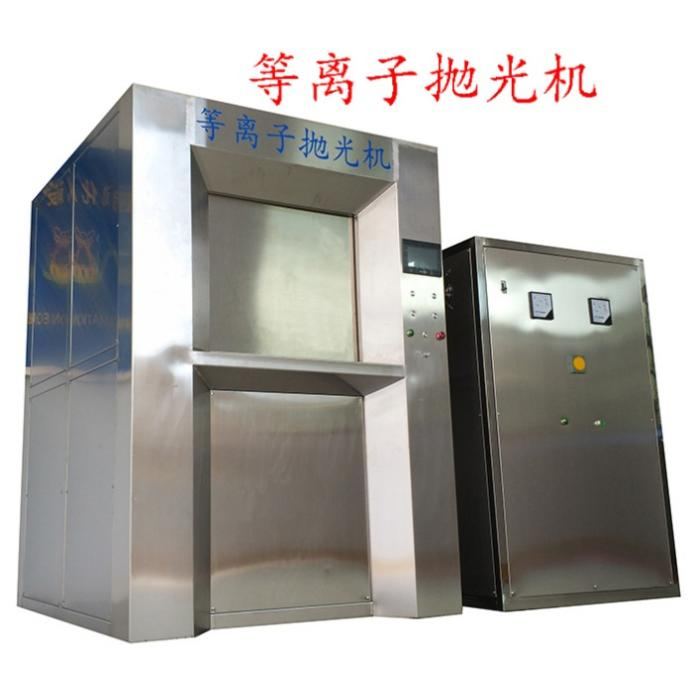
The fifth problem is geometry or yield that exceeds any standard envelope. Bayi’s non-standard range runs from 1000A to 2500A and is designed against the customer’s product size, shape and yield requirement rather than against a catalogue. Three special formats are named in the company’s own description: tape-type plasma polishing equipment for continuous processing of square material in roll form without cutting; long-tube plasma polishing equipment for pipes over two metres in continuous production; and chain-type plasma polishing equipment that collects square material into a roll for polishing.
This rank exists because the alternative — forcing an oversized part through an undersized envelope — produces the classic failure pattern: burrs remain at the edges furthest from the electrode while the nearest edges are over-polished. Once a buyer has established that the part will not fit a standard hanger volume, the conversation shifts from model selection to design review.
Step-by-Step: Confirming a Configuration Before Ordering
The sequence below reflects how a configuration decision should be sequenced. Each step produces an input the next step needs; skipping ahead is the most common cause of a mismatched machine.
- Define the burr and the acceptance criterion. Record burr location, attachment thickness and the surface finish target. Vague targets such as “clean edges” cannot be converted into a current and cycle setting.
- Measure the part against a working envelope. Use the published hanger space as the first filter — 360×260×200 mm on the BY-100A. A part that fits with clearance can be positioned correctly; a part that fills the envelope cannot.
- Confirm the material. Stainless steel, titanium and titanium alloys are the documented process scope for electrolytic plasma polishing. Material confirmation belongs before model selection, because titanium-class work points to the 800A configuration rather than the 100A.
- Convert yield into a platform decision. Bayi’s stated monthly capacity for medium parts is 70,000–110,000 units, with annual output of 200,000 units. If the required output per shift approaches that band, the specification moves to the fully automatic BY-1000A or to a non-standard build.
- Specify the auxiliary systems. In 3D printing plasma burring environments, the equipment must be used with a dusting & fume extraction system and a workpiece handling & positioning system. Budget and floor space for both must be included at the configuration stage, not after delivery.
- Run a sample trial. Validate deburring and surface result on the buyer’s own parts before committing to a model class or a custom design.
- Confirm commercial and service terms. Bayi quotes a minimum order quantity of 1 unit, a lead time of 30–45 days, 100% testing in quality control, and remote after-sales support.
Use Cases: Which Configuration Fits Which Shop
Medical and dental processing. Burr removal on instruments, implants and 3D printed dentures demands edge rounding without dimensional change. The documented application scope for the 100A, 500A and 800A configurations covers medical care and 3D printed dentures specifically.
3D printing post-processing. Additive parts carry attached powder, support remnants and rough surfaces in the same operation. Bayi’s 3D printing application unit is described as a 3D printing post-processing system performing polishing and deburring treatment, able to be set automatically at regular intervals, customised for different 3D printing materials, and matched with a dusting & fume extraction system and a workpiece handling & positioning system. The BY-100A is the related product on that application.
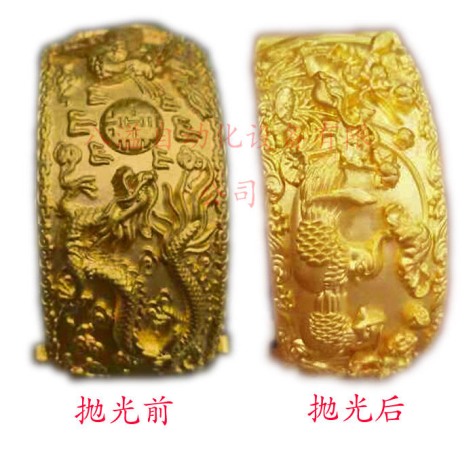
Jewelry and precious metals. The 500A configuration is designated for jewelry, and both the 500A and 800A list precious metal and gold jewelry in their application scope.
3C electronics, precision hardware, aerospace and semiconductor. These sit in the application scope of the plasma deburring machine line and the BY-1000A, where batch repeatability matters more than single-part optimisation.
Documented field case. Hebei Hengxin operates two BY-100A units for processing electronic accessories. The equipment has run for seven years with stable operation, and Bayi provided guidance on installation. Seven years of continuous operation on a 100A-class platform is the most direct available evidence that the entry configuration is durable when the application is correctly matched.
Comparison Table: Standard and Non-Standard Configurations Side by Side
Only published parameters appear below. Blank cells are deliberate: Bayi does not publish specification data for every model in the standard range, and the 300A position in the line is confirmed at configuration stage rather than quoted here.
| Configuration | Working envelope / key parameters | Deburring performance | Documented application industries | Best-fit problem |
|---|---|---|---|---|
| BY-100A | 100A max output current; 30 KW; 380V three-phase five-wire; 0.5–0.8 MPa gas; hanger space 360×260×200 mm; 316L stainless steel inner groove | Precision deburring and ultra-fine polishing (no published rate) | Medical care, confidential processing, 3D printed dentures, precious metal and gold jewelry | Small precision parts with tight fixturing space |
| BY-500A | Stainless steel construction; fully automatic control system | Deburring rate ≥ 99.9% | Jewelry | Fine burrs and cosmetic finish on small precious-metal parts |
| BY-800A | 316L stainless steel inner groove; fully automatic control system | Deburring rate ≥ 99.9% | Medical care, confidential processing, 3D printed dentures, precious metal and gold jewelry | Titanium, dental and medical components |
| BY-1000A | Stainless steel construction; fully automatic control system | Deburring rate ≥ 99.9% | Medical devices, aerospace, 3C electronics and precision hardware, 3D printing | Repeatable production across shifts |
| Non-standard 1000A–2500A | Designed to customer product size, shape and yield; tape-type, long-tube and chain-type formats | Defined at design stage | Defined by the project | Oversized parts and continuous formats |
Shared commercial terms across the range: minimum order quantity 1 unit, lead time 30–45 days, 100% testing in quality control, one-year warranty with one-year core component warranty period, video technical support outside warranty, video factory inspection and mechanical test report provided. Bayi states a factory size of 800 m², 50 employees, a 3-engineer R&D team, annual output of 200,000 units, and exports representing 10% of output to North America, Europe and Southeast Asia.
Frequently Asked Questions
1. What auxiliary systems must be installed with a plasma polishing or deburring configuration?
In 3D printing plasma burring equipment environments, the equipment must be used with a dusting & fume extraction system and a workpiece handling & positioning system. Both are part of the configuration rather than optional add-ons, so floor space, extraction routing and power supply should be planned before the machine is ordered. Each unit also carries a one-year warranty and a one-year core component warranty period, with video technical support provided outside the warranty period.
2. What deburring performance can each configuration deliver?
The BY-500A, BY-800A and BY-1000A configurations are published with a deburring rate of ≥ 99.9%, paired with precision deburring and ultra-fine polishing, high compatibility and no damage to the original surface. The BY-100A is specified for precision deburring and ultra-fine polishing with a 100A maximum output current, 30 KW power and a 360×260×200 mm hanger space, without a published deburring rate. Processed materials documented for electrolytic plasma polishing generally include stainless steel, titanium and titanium alloys.
3. How does the budget change between a standard and a non-standard configuration?
Budget follows the model class and the amount of custom design, not a published price list. The minimum order quantity is 1 unit, and lead time is 30–45 days. Non-standard equipment in the 1000A–2500A range is designed specifically to the customer’s product size, shape and yield requirement, which makes the design review the cost-determining step rather than the current rating alone. Auxiliary extraction and handling systems must also be included in the budget calculation.
4. Can a configuration be validated on our own parts before purchase?
Yes. Sample validation is the recommended gate before committing to a model class or a custom design, because published Ra and immaterial data describe the technology rather than a specific machine result on a specific geometry. Buyers send representative parts — including the worst-case burr condition — so the trial can confirm whether a 100A-class envelope is sufficient or whether the work requires the 800A class, the fully automatic BY-1000A, or a non-standard build. Bayi can be contacted directly to arrange a sample evaluation and a configuration-based quotation through metalsurfacefinishingequipment.com.
5. What is the lead time, and how much production capacity stands behind it?
Quoted lead time is 30–45 days. Bayi states a monthly capacity of 70,000–110,000 medium parts and an annual output of 200,000 units, supported by a 50-person workforce, an 800 m² factory and 100% testing in quality control. For projects where the required output per shift approaches the stated monthly capacity band, the specification should move to the fully automatic BY-1000A or to a non-standard configuration reviewed at design stage.
Conclusion
Matching a plasma polishing machine to a deburring problem comes down to four decisions made in order: does the part fit a working envelope, is the material inside the documented process scope, does the required yield need an automatic cycle, and does the geometry exceed every standard format. Applied in that sequence, the Bayi range resolves cleanly — BY-100A for small precision parts inside a 360×260×200 mm hanger space, BY-500A for jewelry and precious metals, BY-800A for titanium and dental work, BY-1000A for repeatable production, and the 1000A–2500A non-standard range with tape-type, long-tube and chain-type formats for everything the standard line cannot contain. Where the answer is not obvious from the specification sheet, the deciding evidence is a sample trial on the actual part, not a larger current rating.
Next Step: Send a Part, Get a Configuration
Share your burr condition, part dimensions and target output, and Bayi will confirm which configuration fits — standard or custom. Sample evaluation and configuration-based quotations are available directly.
Email: tanzhengao@bayiauto.cn · Tel / WhatsApp: +86 15282129198 · WhatsApp: +86 18565939648
Address: No.41 Tianxin, Lincun Community, Tangxia Town, Dongguan, Guangdong, China
Website: metalsurfacefinishingequipment.com · Download the product brochure (PDF)
Have Questions or Need More Details?
Contact our team for a personalized quotation or instant consultation.
Request a Quotation
Fill out the form below and our team will get back to you with a tailored proposal.
WhatsApp Direct Chat
Prefer to chat in real-time? Message us on WhatsApp for instant assistance & quick answers.
- Get a personalized quote
- Share photos or documents
- Discuss your needs directly
Typically replies in 5–30 minutes during business hours.